Learning Outcomes
i. Understand the concept of antibiotic resistance and its significance.
ii. Identify the mechanisms through which bacteria develop resistance to antibiotics.
iii. Recognize the challenges antibiotic resistance poses to public health and the importance of combating it.
i. Concept of Antibiotic Resistance
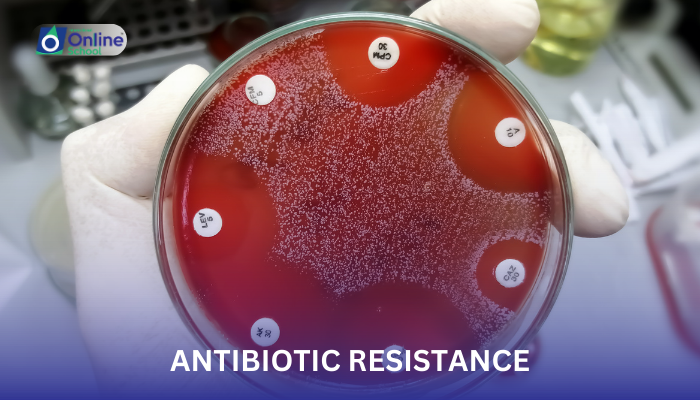
Antibiotic resistance occurs when bacteria change in response to the use of these medicines, making them less effective or ineffective, leading to the survival and proliferation of "superbugs" that are difficult to treat with existing antibiotics.
ii. Mechanisms of Resistance
Bacteria can develop resistance to antibiotics through several mechanisms:
Mutation: Spontaneous genetic mutations can occur, which may confer resistance to an antibiotic. When these bacteria are exposed to the antibiotic, they survive and multiply.
Gene Transfer: Bacteria can acquire resistance genes from other bacteria through horizontal gene transfer, which can occur via conjugation, transformation, or transduction.
Efflux Pumps: Some bacteria develop efflux pumps that actively expel the antibiotic from the cell before it can do harm.
Enzymatic Destruction or Modification: Bacteria can produce enzymes that destroy or modify the antibiotic, rendering it ineffective. For instance, beta-lactamase enzymes break the beta-lactam ring found in penicillins and cephalosporins.
Target Modification: Bacteria can alter the binding site of the antibiotic, so the drug cannot bind to its target or is less effective at doing so.
iii. Challenges to Public Health
Antibiotic resistance poses significant challenges to public health:
Treatment Failures: Infections caused by resistant bacteria can lead to higher rates of treatment failure, longer hospital stays, and increased mortality.
Increased Healthcare Costs: The financial burden on healthcare systems increases due to the need for more expensive drugs and additional care for patients with resistant infections.
Limited Treatment Options: The development of new antibiotics has not kept pace with the rate of resistance, leading to fewer treatment options for certain infections.
Spread of Resistance: Resistant bacteria can spread to other patients within healthcare settings and into the community, exacerbating the problem.
In conclusion, antibiotic resistance is a growing public health threat that reduces the efficacy of antibiotics, leading to more severe and difficult-to-treat infections. Understanding the mechanisms of resistance and implementing measures to combat it are critical for maintaining the effectiveness of current antibiotics and ensuring the health and safety of populations worldwide. Strategies to combat antibiotic resistance include the prudent use of antibiotics, infection control measures, and the development of new antibiotics and alternative treatments.
